
Using Livestock to Regenerate Land
This adaptive grazing course teaches farmers and ranchers how to manage livestock in ways that improve soil health, increase forage production, and strengthen regenerative agricultural systems.
Why This course?
Adaptive grazing is one of the most powerful tools available for improving ecosystem function and restoring degraded land. When livestock are managed with intention and observation, they can stimulate plant growth, increase biological activity in the soil, improve nutrient cycling, and enhance water infiltration.
In this course, leading regenerative agriculture educators Allen Williams, Gabe Brown, and Shane New walk through the principles and real-world strategies behind adaptive grazing management. You’ll learn how to move beyond conventional grazing approaches and begin using livestock as a tool to regenerate land and strengthen agricultural ecosystems.
This training provides both the conceptual framework and practical tools needed to better understand pasture dynamics, grazing planning, forage utilization, and livestock impact.
What You Will Learn
In the Adaptive Grazing course, you will develop a deeper understanding of how grazing management influences soil health, plant recovery, and ecosystem processes.
You will learn:
The 3 Rules of Adaptive Stewardship
How livestock impact soil biology and nutrient cycling
The difference between stock density and stocking rate
How to assess forage availability and grazing capacity
How to design a practical grazing plan
How to improve pasture productivity through better management
The role of recovery periods in plant health
How observation and monitoring guide adaptive decision-making
By understanding these principles, farmers and ranchers can make better management decisions that improve both land health and long-term profitability.
Why Adaptive Grazing Matters
Healthy grazing systems mimic natural ecosystem processes that once shaped grasslands across the world. Properly managed livestock can stimulate plant recovery, cycle nutrients back into the soil, and help maintain healthy plant communities.
However, poor grazing management can have the opposite effect—reducing plant diversity, degrading soil structure, and limiting the productivity of the land.
Adaptive grazing focuses on timing, recovery, and observation, helping producers manage livestock in ways that strengthen the entire agricultural system.
COURSE BREAKDOWN
Module 1: Introduction to Adaptive Grazing
This module introduces the concept of adaptive grazing and explains why grazing management plays such a critical role in soil health and ecosystem function.
Module 2: The Three Rules of Adaptive Stewardship
Students learn Allen Williams’ framework for adaptive land stewardship and how it helps producers make better decisions based on observation and context.
Module 3: Grazing Planning and Management
This module walks through the process of developing a practical grazing plan that supports plant recovery, improves forage utilization, and maintains ecosystem balance.
Module 4: Understanding Stock Density and Stocking Rate
Learn the important differences between stock density and stocking rate, and how these concepts influence grazing impact and pasture recovery.
Module 5: Forage Assessment and Grazing Capacity
Students learn how to evaluate pasture conditions, estimate forage availability, and determine how long animals can remain in a grazing area.
Module 6: Recovery Periods and Plant Health
This module explains how plants respond to grazing and why adequate recovery time is essential for maintaining productive pastures.
Module 7: Livestock as a Tool for Regeneration
Discover how properly managed livestock can stimulate biological activity, cycle nutrients, and contribute to healthier soil and ecosystems.
Module 8: Observation and Adaptive Decision-Making
Adaptive grazing requires constant observation and adjustment. This module teaches producers how to read the land and make management decisions based on what they observe.
Understanding Soil Biology
How living soil organisms help unlock nutrients bound in the mineral matrix and why biological nutrient release is a foundational strategy for resilient fertility.
Improving Nutrient Availability
Practical ways to leverage microbial activity to make existing nutrients more accessible to crops an approaches that can help reduce dependency on synthetic fertilizers.
Building Resilience and Profitability
Techniques that help maintain yields and crop health amid rising input costs and market uncertainty as well as strategies to strengthen plant performance.
The Instructors
In their roles as on-farm consultants with Understanding Ag, LLC, our instructors have helped producers successfully transition from conventional agriculture to soil health-centric regenerative agriculture on more than 17 million acres of land. Our courses now give you the opportunity to experience their stories, demonstrations and collective wisdom—all to help you grow healthier soil, farms, food and profits.
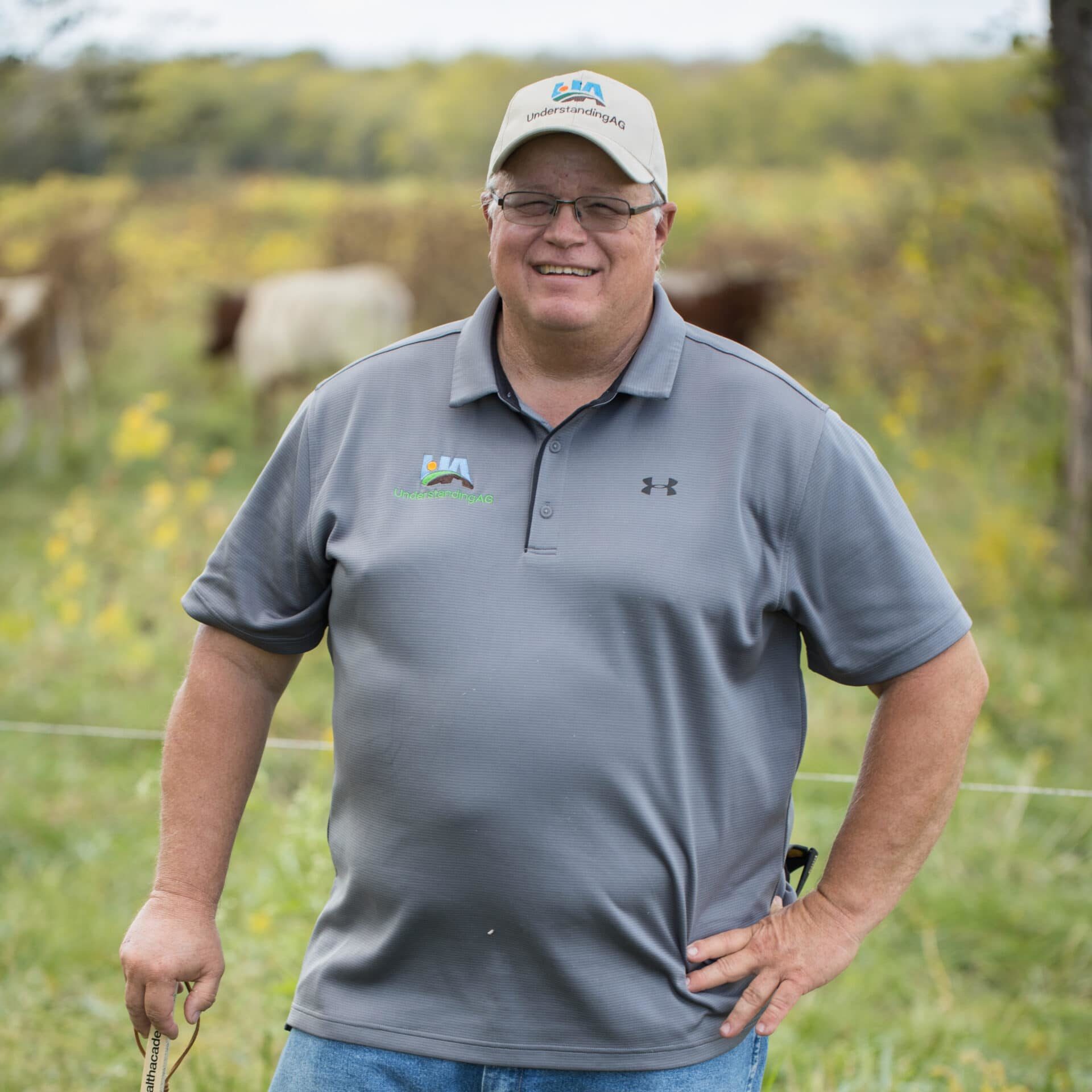
Gabe Brown

Allen Williams
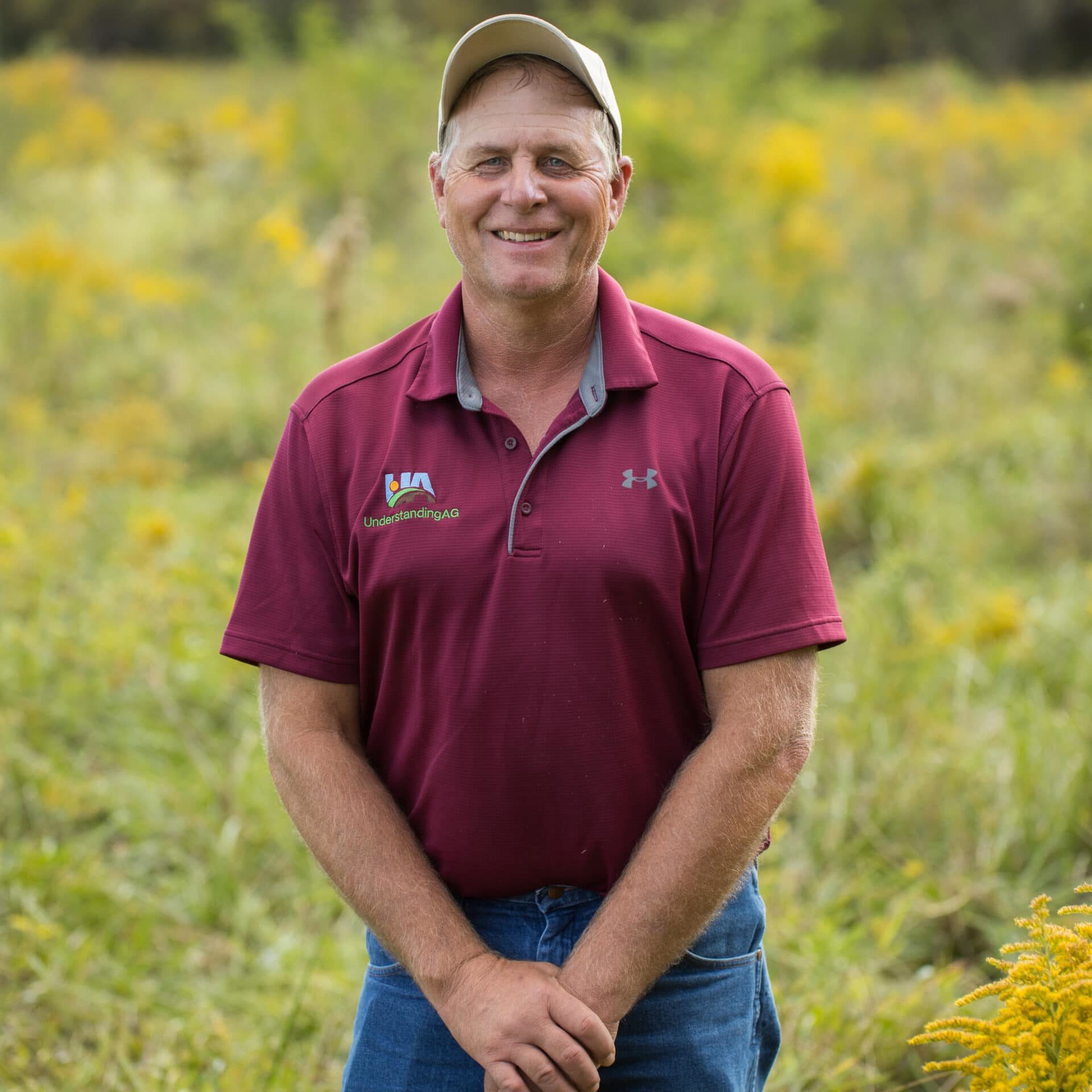
Shane New

David Kleinschmidt

Alejandro Carrillo

Kent Solberg
FAQ's About the Regen Ag 101 Course
What is adaptive grazing?
Adaptive grazing is a livestock management approach that uses observation and flexible decision-making to improve soil health, increase forage productivity, and support healthy ecosystem processes. It focuses on proper timing, recovery periods, and livestock impact to regenerate land rather than degrade it.
What is the cost?
$297
Who should take the Adaptive Grazing course?
This course is designed for farmers, ranchers, landowners, and agricultural professionals who manage grazing livestock or want to improve pasture health and productivity. It is helpful for both beginners and experienced producers looking to refine their grazing management.
Do I need livestock to benefit from this course?
While the course focuses on grazing systems, the principles of soil health, plant recovery, and ecosystem management are valuable for anyone interested in regenerative agriculture and land stewardship.
What animals does adaptive grazing apply to?
Adaptive grazing principles can be applied to many grazing animals including cattle, sheep, goats, and bison. The course focuses on the management principles that guide livestock movement and pasture recovery regardless of the species.
How is adaptive grazing different from rotational grazing?
Rotational grazing follows a fixed schedule of moving livestock between paddocks. Adaptive grazing is more flexible and observation-based, allowing producers to adjust grazing timing, density, and recovery periods based on forage conditions, weather, and ecosystem needs.
Will this course help improve pasture productivity?
Yes. Proper grazing management can increase plant growth, improve soil biology, enhance nutrient cycling, and strengthen water infiltration. These improvements often lead to healthier pastures and more resilient grazing systems.
Will I have lifetime access to the course?
Yes. Once enrolled, students retain ongoing access to the course content so they can revisit lessons and continue learning over time.
Who do I contact if I have questions about the course?
Contact [email protected]

About UA
Understanding Ag is a regenerative agriculture consulting and education company focused on helping producers improve soil health, ecosystem function, and farm profitability. Known for its leadership in adaptive grazing and regenerative management, the company equips farmers and ranchers with practical tools and principles for long-term success.

About Acres U.S.A.®
Acres U.S.A.® is North America's oldest publisher (est. 1971) on production-scale organic and sustainable farming. For more than 50 years, our mission has been to help farmers, ranchers and market gardeners grow food profitably, sustainably, without harmful chemicals.

© Copyright 2026, Acres U.S.A.® Acres U.S.A.® is a registered trademark of Acres U.S.A.®, LLC. Reproduction of material in this issue in any form without permission of the publisher is prohibited. No permission required for photocopies made for personal use. Requests for permission to reprint must be in writing to PO Box 351, Viroqua, WI 54665; email [email protected].
© 2026 Acres U.S.A.® LLC - All Rights Reserved
Acres U.S.A. is North America’s oldest publisher on production-scale organic and regenerative farming. For more than 50 years, our mission has been to help farmers, ranchers and market gardeners grow food profitably, regeneratively, and with nature in mind.
support@acresusa.com
970-392-4464